
Writing Historical Fiction Through Memoirs: When Memory Becomes Story
HNSNA Blog – May 2026
Writing historical fiction is often sparked by an interesting historical tidbit that inspires a story. That is followed by a search to uncover the story, using libraries and archives, military records, census records, or newspaper articles. However, we often don’t need dates or documents to find the story. Instead, it comes from a story passed down while sitting around a fire or the kitchen table. The best stories can start with a voice.
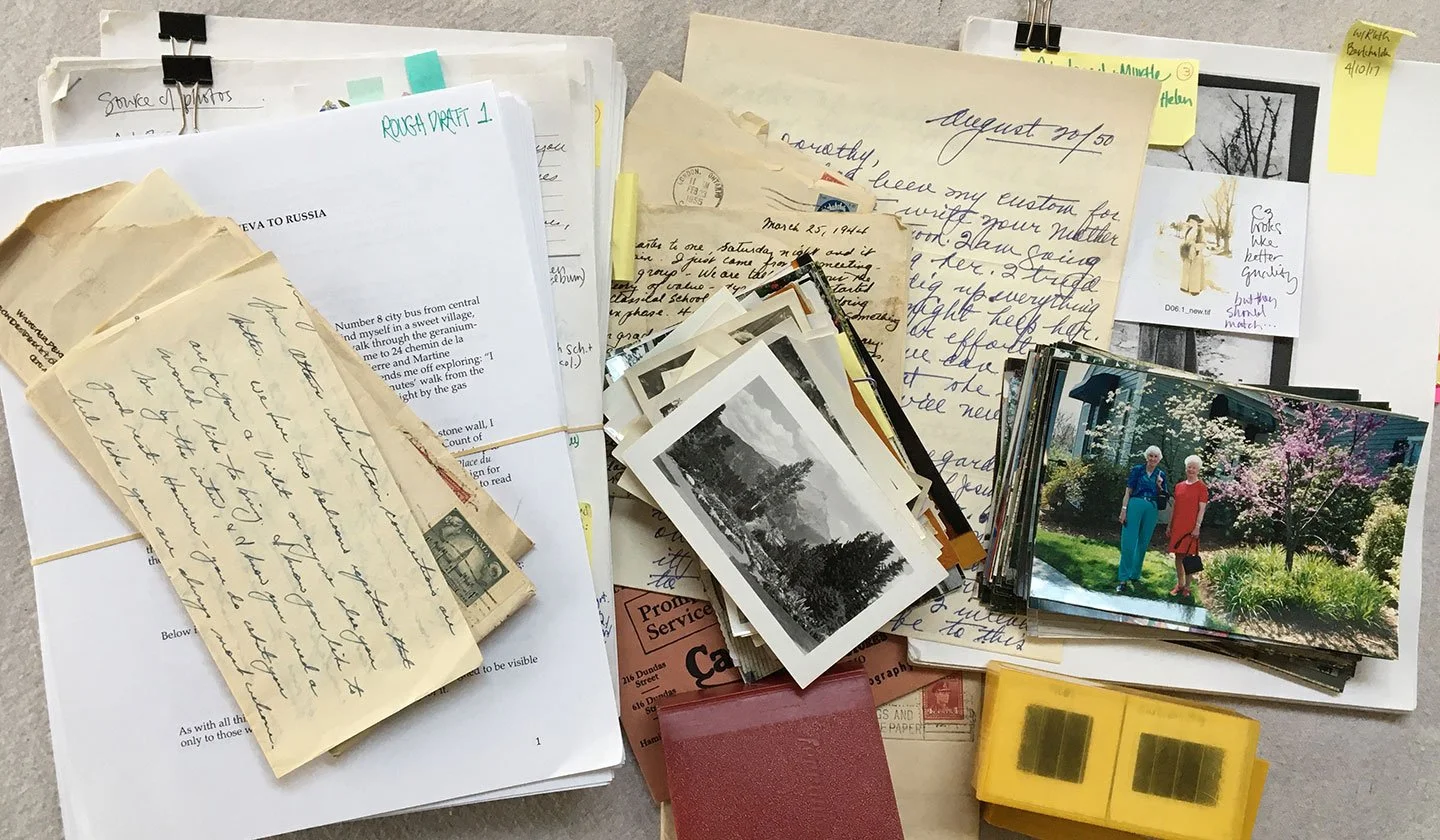
Memoirs turn the story into more than dates and facts. They bring the story’s emotions into view and fill in the gaps in history with the personal experiences of the time. Rather than explain what happened, memoirs show how it felt to live through it, what the impact was, and how it affected people day-to-day. They allow us to show, not tell. In genealogy, this is known as “between the dashes” of a life lived.
Researching official records reveals facts but misses personal stories. For example, a battle report cannot convey the fear, boredom, guilt, or hope experienced by individual soldiers. Similarly, Depression-era statistics do not capture a grandmother’s shame at accepting aid, her ingenuity in making do, or the quiet pride of surviving. These records also lack details about how such events affected the rest of the person’s life. These personal experiences are better captured in memoirs, where memories are unfiltered. Memoirs are better equipped to explain trauma, silence, fractured families, resilience, pride, and identity; they are feelings, not data.
Rather than recite facts like a textbook, historical fiction should interpret history. Capturing the emotional context gives the story the authenticity readers crave. Our readers want our characters to feel relatable, even if they are fictional. Memoir-based fiction connects the dots at an emotional level, showing how people were personally affected, what they thought, and how they reacted. Lived experiences, as told in memoirs, can be crafted into universal stories, and when thoughtfully adapted, they can fully illuminate the story.
Historical fiction focuses on the defining moments in history. However, the event rarely stands on its own; it is only in understanding the impact of those events that stories resonate. Revolutions, wars, hardships, and societal change matter only because of their repercussions for people, not merely because they happened. Personal accounts, family memories, letters, journals, and oral histories are among the most valuable sources for historical fiction.
How was history experienced?
Whether rich or poor, memoirs tell the story of people making decisions without the hindsight we have today, when we know the outcome. Readers want to know how the people who lived it made their decisions. By telling the small things in life, we can get a sense of how people worked, sacrificed, and endured, so we see history as more than a distant accounting of facts.
A single family’s story can translate historical events such as immigration, westward expansion, industrialization, war, or social change in ways that no amount of research into the historical record can achieve. Memoirs offer fragments of detail where the historical record ends, painting the picture in vivid colors. The reader can imagine how the events unfolded through the lens of those actions and feelings. We can tell the larger story by listening to the voices of a single story, through their memories and memoirs. Using a memoir as our primary source, we gain insight into history much more deeply than from a distant accounting of facts.
It is essential to respect the memoir or story if using it as our primary source. We have a responsibility to treat people with care and respect when we relay real-life stories. Especially when the stories are family stories, it’s crucial to protect privacy and ensure that any living family members know the story will be shared. We cannot, and should not, exploit memory; instead, we should preserve its core, gaining its wisdom, humanity, and the lessons we can glean from it. Because these are personal stories, we can see ourselves in the past to better understand how the past continues to influence the present.
There are creative ways to maintain privacy and respect the source. Options include combining multiple real people from a story into composite characters or altering names, locations, and even timelines, if appropriate for the story. Most good historical fiction focuses on the emotions of the events, not on the precision of the history. Their privacy can be protected with minor adjustments to the facts without losing the emotion.
A historical tidbit ignites our journey, and using a memoir’s voice can create a lasting, more authentic story. One of the goals of the historical fiction author should be to strengthen fiction through preserved history, and the memoir can help us do that. When historical fiction is inspired by memoirs, we meet the challenge of entertaining our readers while preserving the legacy of the source. The memories of previous generations bridge us to the past and give us an enduring legacy. When captured on the page, that memory or memoir’s voice lives on.
Preserving voices through historical fiction is a worthy goal.