
Find Your Ancestor’s Story
Civil War Era
The most compelling Civil War narratives transport readers to the heart of the era, where every detail feels authentic. Achieving authenticity requires a disciplined research approach that integrates personal and historical sources.
Crafting authentic Civil War narratives involves uncovering family legacies, navigating primary sources, immersing oneself in context, visiting battlefields, and synthesizing research into a cohesive story. Each step builds on the last, adding depth and accuracy.
Whether you aim to publish historical novels, enrich genealogy projects, or lead a discussion group, rigorous research turns scattered facts into unforgettable journeys through American history. These five essential research steps will ensure your Civil War stories are both credible and captivating.
1. Uncovering Family Legacies
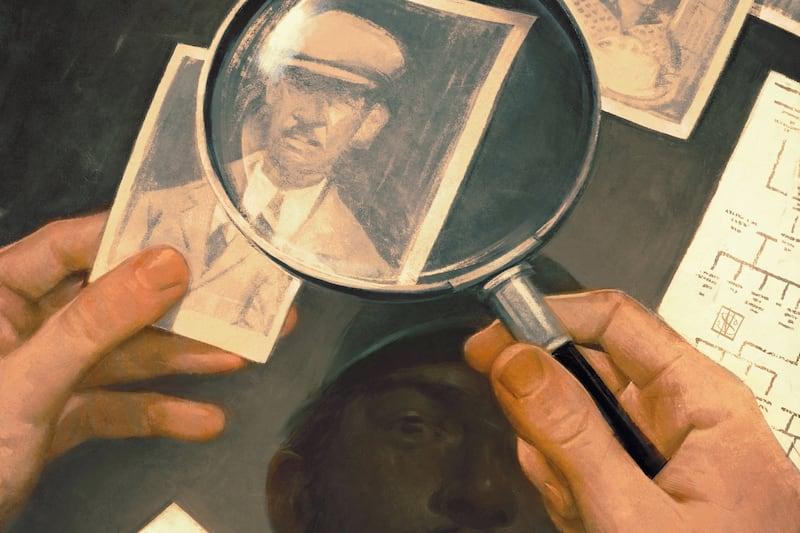
Some of the richest Civil War material may be found in your family archives. Personal records, such as heirloom letters, diaries, and photographs, offer firsthand perspectives often missing from textbooks.
Begin by listing relatives who may have Civil War-era memorabilia, then conduct informal interviews to hear the stories behind the artifact firsthand. Photograph or scan fragile documents to safeguard them for future reference.
Family stories often change with each retelling. When you encounter differing versions, ask your sources how they learned the story and note the emotions involved. These emotional layers, whether pride or grief, add nuance and realism to your writing.
Treat family testimonies as valuable primary sources, a practice that once uncovered an ancestor’s battlefield promotion, directly shaping a novel’s plot. Your own family’s accounts can become the foundation for Civil War narratives that stand out in the historical fiction genre.
2. Historical Documents and Primary Sources
When information is missing, start with what you know.
- Did they fight for the North or the South?
- Which state?
Check the state archives for unit and enlistment dates. Those archives should also include details such as rank, sick pay, and even court-martials. If you find those details, use sites that provide unit histories, including the battles they fought and the special actions they took.
If the timing aligns with your ancestor’s service, you have a starting point for a timeline of actions.
Use genealogy sites such as FamilySearch or Fold3 to cross-check facts. Build a timeline of confirmed events and highlight gaps where family members might add details.
Military records, period newspapers, government files, and battlefield reports are essential for grounding plot and character development.
Begin with:
- The National Archives’ Civil War Soldiers and Sailors System for service cards and pension files
- The Library of Congress’ Chronicling America for contemporary headlines
- Regimental histories from the American Battlefield Trust for unit-level context
Continually cross-reference your findings. If casualty numbers or events appear in one source, verify them against another source.
Recent academic evaluations, such as those discussed in the Journal of the Civil War Era, emphasize the importance of rigorous source comparison to avoid misinterpretation. If you encounter an unresolved conflict, the best option is to determine the most reasonable scenario and proceed.
Deciphering 19th-century handwriting can be challenging; consult experts, transcription services, or apps as needed.
Avoid anachronisms by verifying that the language is period-appropriate before attributing dialogue to characters.
Finding a diary that aligns with the events of your telling is a gold mine, whether it is your ancestor’s or someone in the same proximity. Incorporate details from muster rolls and period newspapers, weaving facts into character perspectives to maintain both accuracy and narrative engagement.
3. Everyday Life of the Civil War Era
Civil War-era characters led complex lives beyond the battlefield. Authenticity requires understanding their daily experiences.
Read popular novels from the 1850s and 1860s to absorb the era’s language and mindset. Examine women’s journals to learn about clothing, social norms, and regional distinctions. Attending living-history museums or reenactments offers firsthand insights into food, camp life, and military routines.
Balance historical detail with narrative flow.
- Include only details that advance the plot or character
- Combine related facts to create vivid imagery
- Ensure modern readers can follow without excessive explanation
Skillfully weave historical context into action, such as describing a soldier trying to remove lice from his uniform, rather than simply listing uniform items.
For broader representation, projects like the John L. Nau III Center’s “Black Virginians in Blue” enrich narratives by including diverse perspectives often missing from traditional Civil War accounts. If it fits, use it.
4. Walking the Battlefields
Visiting historical sites adds unparalleled depth to your writing. Walking actual battlefields reveals terrain, sightlines, and atmosphere unique to each site.
Use National Park Service trail apps to map troop positions, and consult local historians for stories not found in the archives.
Record sensory impressions, such as:
- Humidity
- Bird calls
- The overlay of modern life on historic grounds
How do you feel in the place where the event happened?
Try to imagine the battle fully engaged around you. How would that change your feelings?
If travel is not possible, virtual tours and LiDAR-based battlefield archives provide detailed geographic context. The rise of digital humanities tools enables writers to overlay historic maps on current satellite imagery, reconstructing settings accurately.
Firsthand observation is valuable. For example, witnessing a sunrise at Shiloh, with fog rising from the Tennessee River, can shape the tone and pace of an entire chapter, underscoring the creative value of site visits.
Seeing the POW camp set on a beach where prisoners had no cover from the elements will give you a clearer understanding of how hard it was to survive.
Those feelings and being able to experience the environment firsthand cannot be replaced. It helps you to write with emotion and accuracy.
5. Research for Storytelling Authenticity
Efficiently organizing your research turns scattered notes into compelling prose.
Color-code notes by theme, such as:
- Family history
- Military data
- Cultural context
- Landscape
Use a chapter spreadsheet to track:
- Scene locations
- Dates
- Historical elements
- Emotional objectives
Flag facts that need verification later.
To prevent information overload, set a “research freeze” deadline after which only essential clarifications are permitted. Begin drafting, trusting your research foundation.
Researching the big picture before you start writing, then researching the finer points by looking for exactly what you need, is often more effective.
Fact-checking and peer review are essential to credibility.
Exchange chapters with other historical fiction writers or local historians to catch anachronisms and inaccuracies. Manuscripts that undergo multiple rounds of expert review to ensure every detail, from tactics to uniforms, aligns with period sources are usually the most compelling.
References
- Research and Writing Guide
- Previewing the March 2026 JCWE
- Digital Humanities Tag